


What is Total Worker Health? Most employers want to keep their workers safe and healthy at work. However, they may not see how the job itself—the
characteristics of the work, how it is designed and completed each day–can also play an important part in their workers’ health, well-being, and performance. In 2011, the National Institute for Occupational Safety and Health (NIOSH) at the Centers for Disease Control and Prevention (CDC) launched the Total Worker Health (TWH) program to explore how work
can be better designed to both protect workers from harm on the job and enhance their overall health and well-being. CDC defines Total Worker Health as “policies, programs, and practices that integrate protection from work-related safety and health hazards with promotion of injury and illness prevention efforts to advance worker well-being.”1
Author: admin
Program Measurement & Evaluation Guide: Core Metrics for Employee Health Management
The Health Enhancement Research Organization (HERO) and Population Health Alliance (PHA) are pleased to present (herein referred to as “Guide”),a core set of metrics for the evaluation of employee health management programs. After two years and countless hours of research and discussions by more than 60 members of both organizations and many outside experts, HERO and PHA are responding to employers who seek a greater level of clarity regarding the value of their wellness efforts. Thus, we recommend an initial set of measures to assess the impact of the health management programs offered to employees. The results are better informed business decisions and boardroom discussions.
What is Wellness?
Wellness is the active pursuit to understand and fulfill your individual human needs—which allows you to reach a state where you are flourishing and able to realize your full potential in all aspects of life. Every person has wellness aspirations.
Successful workplace wellness initiatives require supporting employees in fulfilling their needs in seven areas.
Creating a Workplace Wellness Committee – A Toolkit for Employers
By choosing to implement a Workplace Wellness Program you are making a smart investment in the health and productivity of your people and your organization. This toolkit will help you get started by providing step-by-step instructions on how to create one of the most important elements of your program: the Workplace Wellness Committee.
Inside the toolkit you’ll find helpful tips, tools and resources you can use to recruit, organize and manage an effective in-house Wellness Committee that drives results.
How to Protect Your Best Asset: The Caregivers
When was your last ophthalmology visit? For some healthcare leaders, it’s time to correct their tunnel vision when it comes to patient satisfaction metrics and data.
You can improve the patient experience by investing in employees
Employees who use their strengths provide a better patient experience
The right metrics help you monitor and measure employee needs
Current Practices in Worksite Wellness Initiatives
The Centers for Disease Control and Prevention (CDC)
supports efforts nationwide to reduce the risk factors
associated with childhood and adult obesity, diabetes, heart
disease, and stroke through its State Public Health Actions
to Prevent and Control Diabetes, Heart Disease, Obesity and
Associated Risk Factors and Promote School Health (State
Public Health Actions) program. Through a federal grant, all
50 states and the District of Columbia receive funds to help
prevent these chronic diseases.
This program focuses on healthy environments in workplaces,
schools, early childhood education facilities, and the
community. It also focuses on working through health
systems and communities to reduce complications from
multiple chronic diseases, such as diabetes, heart disease,
and stroke. The goal is to make healthy living easier for all
Americans.
Human Trafficking Response: Resources for Health Care Professionals
The American Hospital Association’s Hospitals Against Violence initiative joins the National Human Trafficking Training and Technical Assistance Center (NHTTAC) and HEAL Trafficking to provide key resources and information on how hospitals and health systems can combat human trafficking in their communities.
Eight Relaxation Techniques for Stress Relief

For many of us, relaxation means zoning out in front of the TV at the end of a stressful day. But this does little to reduce the damaging effects of stress. To effectively combat stress, we need to activate the body’s natural relaxation response. You can do this by practicing relaxation techniques such as deep breathing, meditation, rhythmic exercise, and yoga. Fitting these activities into your life can help reduce everyday stress, boost your energy and mood, and improve your mental and physical health. Find the relaxation technique that’s best for you.
MHA Joins Congressman Richard Neal in Supporting the Opioid Workforce Act
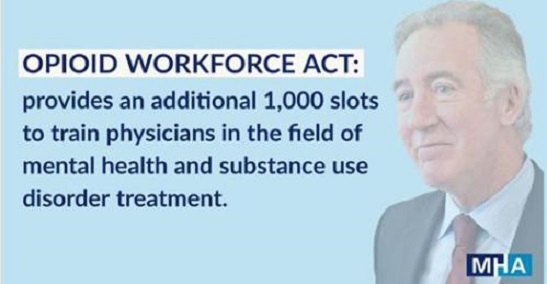
MHA and our colleagues throughout the state thank Congressman Richard Neal for his tireless advocacy in making sure we have the clinicians we need to address the #opioid crisis.
We join Congressman Neal in supporting the Opioid Workforce Act. #mapoli
WELL-BEING PLAYBOOK: A Guide for Hospital & Health System Leaders
At its core, addressing burnout is about helping care teams recapture the joy and purpose. The goal is not simply an absence of burnout; but to cultivate a culture of well-being so clinicians can best care for their patients. Burnout and well-being are complex cultural issues with no off-the-shelf fix. Hospital and health system leadership must believe in the importance of clinician well-being and commit to making it a
strategic imperative.