



Summary:
Hospitals and other healthcare interests are performing very targeted interventions in specific areas to improve the health of the patients and communities they serve. By clicking on each item under the "Improving Patient Care" shaded column to the left, you can learn about some of the many programs now underway in Massachusetts.
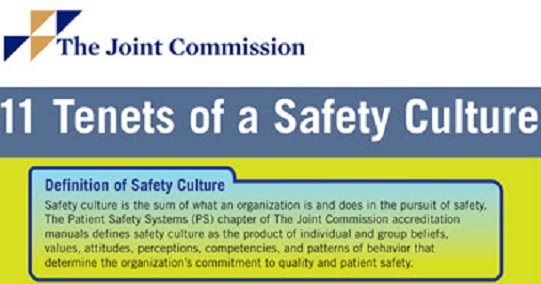
Definition of Safety Culture
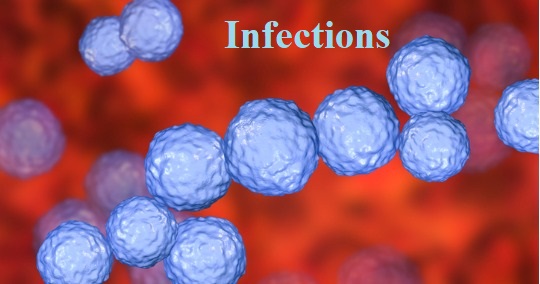
Healthcare Acquired Infections
Healthcare acquired infections (HAIs), also known as nosocomial infections, are infections that patients get while receiving treatment for medical or surgical conditions. HAIs occur in all settings of care, including hospitals, surgical centers, ambulatory clinics, and long-term care facilities such as nursing homes and rehabilitation facilities.
Readmissions
"Readmission" occurs when patients who have had a recent stay in the hospital go back into a hospital again. Patients may have been readmitted back to the same hospital or to a different hospital or acute care facility. They may have been readmitted for the same condition as their recent hospital stay, or for a different reason. Often referred to as "rehospitalization."
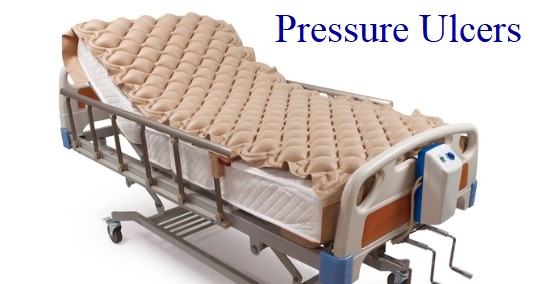
Pressure Ulcers
A pressure ulcer or bedsore is an injury to the skin or underlying tissue usually over a bony protruding area of the body. Pressure ulcers can range in severity from minor skin reddening to deep wounds. Factors that cause pressure ulcers are unrelieved pressure on the skin, or slight rubbing or friction on the skin.
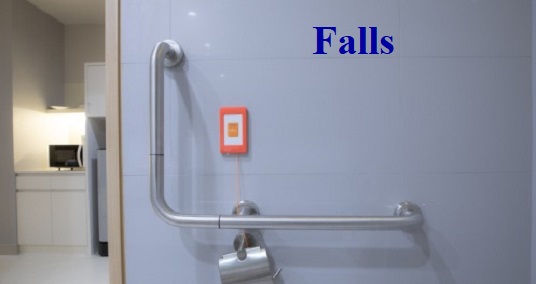
Patient Falls
The National Quality Forum (NQF) defines a fall as an unplanned descent to the floor (or extension of the floor e.g., trash can or other equipment) with or without injury to the patient.

2025 Alzheimer’s Disease Facts and Figures
25 Alzheimer’s Disease Facts and Figures is a statistical resource for U.S. data related to Alzheimer’s disease, the most common cause of dementia.
»Full Article
Healthy Aging Data Report – Highlights from 2025
The data reveal important patterns of disease, social determinants of health, and resources. The updated report includes maps illustrating the statewide distribution of rates highlighting areas of health inequity.
»Full Article
Dementia Care Planning Toolkit
This toolkit's goal is to facilitate the development of person-centered dementia care plans that support living well with dementia.
»Full Article
Surviving Sepsis Campaign
The international Surviving Sepsis Campaign (SSC) is a joint initiative of the Society of Critical Care Medicine (SCCM) and the European Society of Intensive Care Medicine (ESICM), led by multidisciplinary international experts who are committed to reducing mortality and morbidity from sepsis and septic shock, which are leading causes of death worldwide. Click here for more information....» Full Article