Sepsis has been named as the most expensive in-patient cost in American hospitals in 2014 averaging more than $18,000 per hospital stay. With over 1.5 million sepsis hospital stays in 2014 per year, that works out to costs of $27 billion each year. Studies investigating survival have reported slightly different numbers, but it appears that on average, approximately 30% of patients diagnosed with severe sepsis do not survive. Up to 50% of survivors suffer from post-sepsis syndrome. Until a cure for sepsis is found, early detection is the surest hope for survival and limiting disability for survivors. Read Sepsis Alliance’s Sepsis Fact Sheet for additional information.
Category: Uncategorized
Global Sepsis Alliance
Global Sepsis Alliance has produced a library of Sepsis Information Guides on dozens of topics. These guides are high resolution and can be printed and distributed to patients, co-workers, and other professionals.
Available guides include Life After Sepsis, Aging, Amputations, Appendicitis, C. difficile, COPD, Cellulitis, Children, Dental Infections, Diabetes, Flu, HAI, HIV/AIDS, Immune System, Kidney Stones, Liver Disease, MRSA, Meningitis, Necrotizing Fasciitis, Paralysis, Pneumonia, Pregnancy & Childbirth, Strep B, Surgery, TSS, UTIs, and other fact sheets.
Falls Prevention Awareness Week – September 22 – 28 2018
Among older adults, falls are the leading cause of injury deaths, unintentional injuries, and hospital admissions for trauma. Falls can take a serious toll on older adults’ quality of life and independence. To recognize this critical issue, at the state level, SCR 77 (D-Lowenthal) was passed in 2008 declaring the first week of Fall each year as Fall Prevention Awareness Week.
Ergonomics Program Builds on Hospital Improvement Efforts
The Center for Promotion of Health in the New England Workplace (CPH-NEW) has released an online continuing education program to help nurses prevent musculoskeletal injuries in the clinical care setting.
The new online education program, developed by CPH‐NEW occupational ergonomics experts and faculty at the Solomont School of Nursing at UMass Lowell, offers 10 essential components of an effective prevention program to reduce patient handling injuries.
This free program consists of six self-paced online modules aimed at reducing risks for work-related musculoskeletal disorders. Participants will learn to use ergonomic principles, work practice, and administrative controls to identify and reduce hazards associated with patient handling and non-patient handling tasks.
The program is intended to supplement the work that most hospitals have done to improve patient handling in an effort to protect both patients and the healthcare workforce.
Conceptual Model of Factors Affecting Clinician Well-Being and Resilience
In 1999, the Institute of Medicine (IOM) released its landmark report, To Err Is Human: Building a Safer Health System [1], which revealed that a significant number of people die annually from medical errors. The report spurred two decades of action on the part of hospitals and health care professionals to improve patient safety. The IOM, renamed the National Academy of Medicine (NAM), is now addressing the issue of clinician well-being. The Action Collaborative on Clinician Well-Being and Resilience (the “action collaborative”) was launched in January 2017 in response to the burgeoning body of evidence that burnout is endemic and affects patient outcomes. The action collaborative has defined “clinician” and “burnout” in Box 1.
Clinician Well-Being Knowledge Hub
Sharing Knowledge to Combat Clinician Burnout.
Click here to find articles, research studies, and other resources
END SEPSIS
We established The Rory Staunton Foundation after our son’s death from sepsis in April 2012. Our overriding goal is to ensure that no other child or young adult dies of sepsis resulting from the lack of a speedy diagnosis and immediate medical treatment.
Our Mission
- To reduce the number of sepsis-caused deaths through:
Raising public awareness of sepsis through education and awareness programs to promote faster diagnosis and effective treatment for children and young adults - Improving medical diagnosis of sepsis, particularly pediatric sepsis, through the implementation of rapid treatment protocols and improved communication between parents and medical staff in hospitals and medical clinics
- Supporting those affected by sepsis and providing a platform for their voices to be heard.
Healthy Nurse, Healthy Nation™
The Healthy Nurse, Healthy Nation™ Grand Challenge (HNHN GC), is a social movement designed to transform the health of the nation by supporting nurses to take positive action to improve health.
The HNHN GC will:
- Broadly connect and engage individual nurses and partner organizations to take action within five focus areas: physical activity, sleep, nutrition, quality of life, and safety.
- Provide a web platform to inspire action; cultivate friendly competition; provide content and resources to nurses; gather data; and connect nurses with each other, employers, and organizations.
Diseases Attacking the Immune SYstem – The DAISY Foundation
The DAISY Foundation was formed in November, 1999 by the family of J. Patrick Barnes who died at age 33 of complications of Idiopathic Thrombocytopenic Purpura (ITP). The nursing care Patrick received when hospitalized profoundly touched his family. Read more about why they started The DAISY Foundation.
The DAISY Award For Extraordinary Nurses (The DAISY Award) – to honor the super-human work nurses do for patients and families every day. In creating The DAISY Award, there were three elements we wanted to ensure our recognition program included:
- A partnership with healthcare organizations to provide on-going recognition of the clinical skill and especially the compassion nurses demonstrate at the bedside all year long.
- Flexibility so that The DAISY Award may be tailored to each hospital’s unique culture and values.
- A turn-key program with The DAISY Foundation providing most everything you need to implement The DAISY Award.
Healthcentric Advisors – No Cost Learning Center
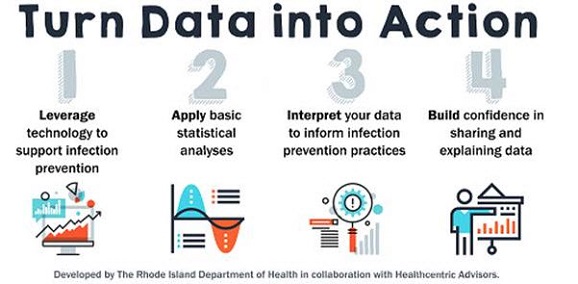
Healthcentric Advisors would like to invite you to visit The Learning Center, our no cost virtual online learning system, with an Introduction to Statistics and Epidemiology in Infection Prevention. Through this interactive and self-paced module, you will learn about statistical and epidemiological methods that are used in infection prevention and control. New courses will also cover interpreting infection prevention measures (e.g., Standardized Infection Ratios (SIR)) and using Microsoft Excel to collect and analyze your own data.
You will develop a deeper understanding of how statistics and epidemiology are used to inform your clinical practice and harness surveillance, data collection, statistical analysis and reporting skills to inform clinical leadership and monitor population health at your facility.